
The Integration of Virtual Reality in Aviation Simulation Games: Transforming the Pilot Experience
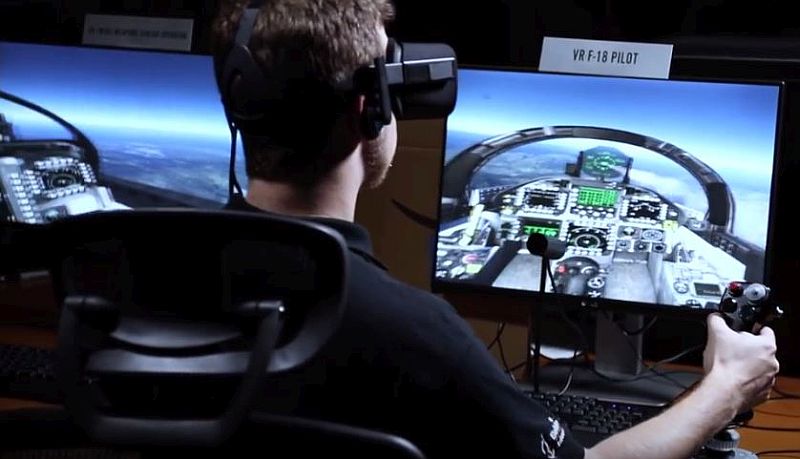
Virtual reality (VR) technology has revolutionized the aviation simulation genre, offering players an unparalleled level of immersion and realism. By donning a VR headset, players can step into the cockpit of a virtual aircraft and experience the thrill of flying from a first-person perspective. In this article, we’ll explore the integration of virtual reality in aviation simulation games, examining how it enhances the pilot experience and transforms the way players interact with virtual aircraft.
Immersive Cockpit Environments
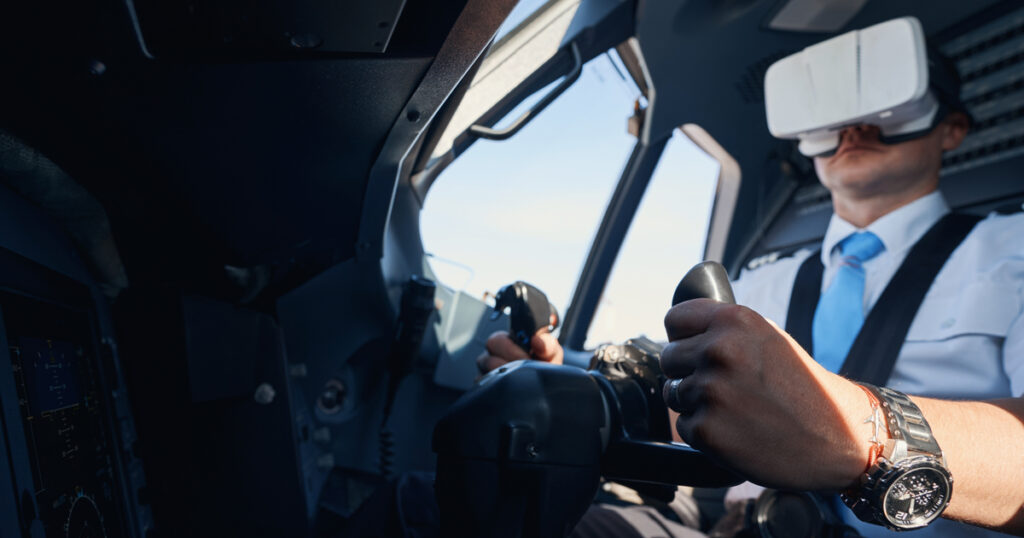
One of the most compelling aspects of virtual reality in aviation simulation games is the immersive cockpit environments it provides. Players can look around and interact with the cockpit controls, instruments, and switches just as they would in a real aircraft. The sense of presence and immersion created by VR technology allows players to feel like they’re actually sitting in the pilot’s seat, adding a new dimension of realism to the flying experience.
Realistic Visuals and Environments
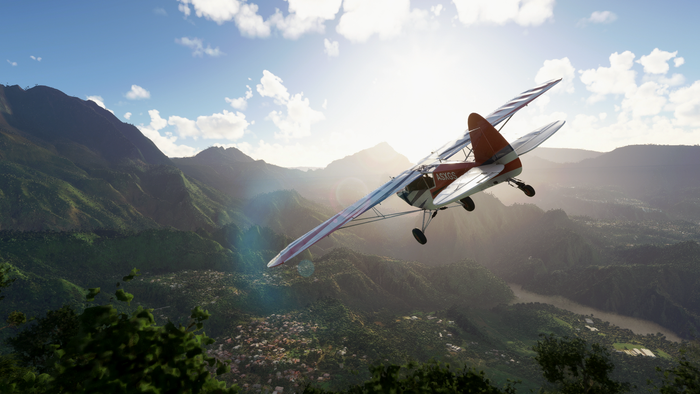
Virtual reality also enhances the visual fidelity and realism of aviation simulation games, allowing players to explore detailed and lifelike environments from the cockpit of their virtual aircraft. Whether flying over scenic landscapes, bustling cityscapes, or challenging weather conditions, players can experience the sights and sounds of flight in stunning detail. Realistic lighting, weather effects, and environmental textures further contribute to the sense of immersion, transporting players to new and exciting virtual worlds.
Enhanced Depth Perception and Spatial Awareness
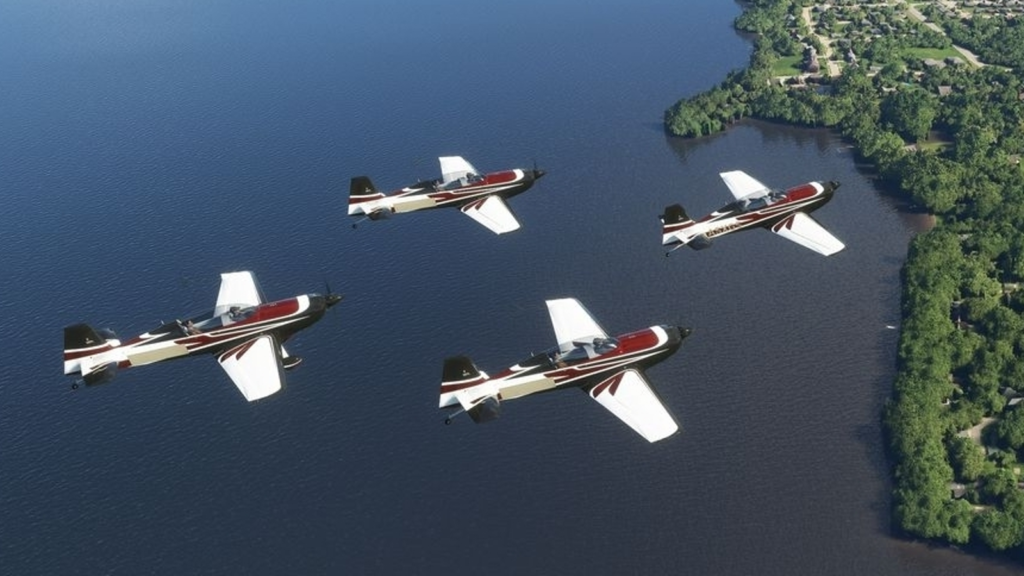
One of the key advantages of virtual reality in aviation simulation games is its ability to provide enhanced depth perception and spatial awareness. By rendering the virtual world in stereoscopic 3D, VR technology allows players to accurately judge distances, heights, and spatial relationships, making it easier to navigate through complex environments and perform precise maneuvers. This heightened sense of awareness is particularly valuable during tasks such as landing, aerial refueling, and formation flying.
Intuitive Flight Controls and Interactions
Virtual reality simplifies flight controls and interactions in aviation simulation games, allowing players to use natural hand movements and gestures to manipulate cockpit controls and interact with the virtual environment. With motion controllers or hand tracking technology, players can reach out and grab control yokes, throttles, and switches, making flying feel more intuitive and immersive. This hands-on approach to flight control enhances the sense of presence and agency, empowering players to feel more connected to their virtual aircraft.
Multiplayer and Social Interaction
Virtual reality also facilitates multiplayer and social interaction in aviation simulation games, allowing players to fly together in the same virtual airspace and communicate with each other in real time. Whether collaborating on missions, engaging in dogfights, or participating in virtual airshows, VR multiplayer experiences create opportunities for teamwork, camaraderie, and shared experiences among players. This social aspect adds a new layer of depth and engagement to aviation simulation games, fostering a vibrant community of virtual aviators.
Read also about: Balancing Realism and Playability.
Conclusion
The integration of virtual reality in aviation simulation games has transformed the pilot experience, offering unparalleled levels of immersion, realism, and interactivity. From immersive cockpit environments and realistic visuals to enhanced depth perception and intuitive flight controls, VR technology enhances every aspect of the flying experience. Whether soaring through scenic landscapes, engaging in dogfights, or collaborating with other players in multiplayer missions, virtual reality has redefined what it means to take to the virtual skies in aviation simulation games.